
Slow Down and Develop Your Roots
These past few days I had the blessing of attending the Clergy Laity Congress of the Greek Orthodox Archdiocese of America. Among the several outstanding workshops I attended was a session about outreach and preparation of converts.
There was discussion about the timing as equally important as the learning for those seeking to enter the Church. Some argue, “We baptize infants with no preparation. Why should we put so much effort into adults?” Today’s Gospel lesson answers the question, from my perspective.
The Lord said this parable, “A sower went out to sow. And as he sowed, some seeds fell along the path, and the birds came and devoured them. Other seeds fell on rocky ground, where they had not much soil, and immediately they sprang up, since they had no depth of soil, but when the sun rose they were scorched; and since they had no root they withered away. Other seeds fell upon thorns, and the thorns grew up and choked them. Other seeds fell on good soil and brought forth grain, some a hundredfold, some sixty, some thirty. He who has ears to hear, let him hear.”
Matthew 13.3-9
With the advent of the internet and the OrthoBro movement, many adults arrive at the front steps of the Church ‘ready’ to be baptized. They have already read more books than most seminarians. They have memorized many of the Holy Canons. There’s only one problem.
They have no foundation of faith. In my experience, this phenomenon is like the ‘seeds that fell in the rocks’ without any roots to sustain them. The internet can be a great resource to learn facts about the Church, but without a worshipping community, there are no roots.
The New Testament, with certain exceptions, was written to Christian communities, not individuals. Early Christians learned, joined and developed within living communities. Those communities, still in existence today, provided the roots to sustain them.
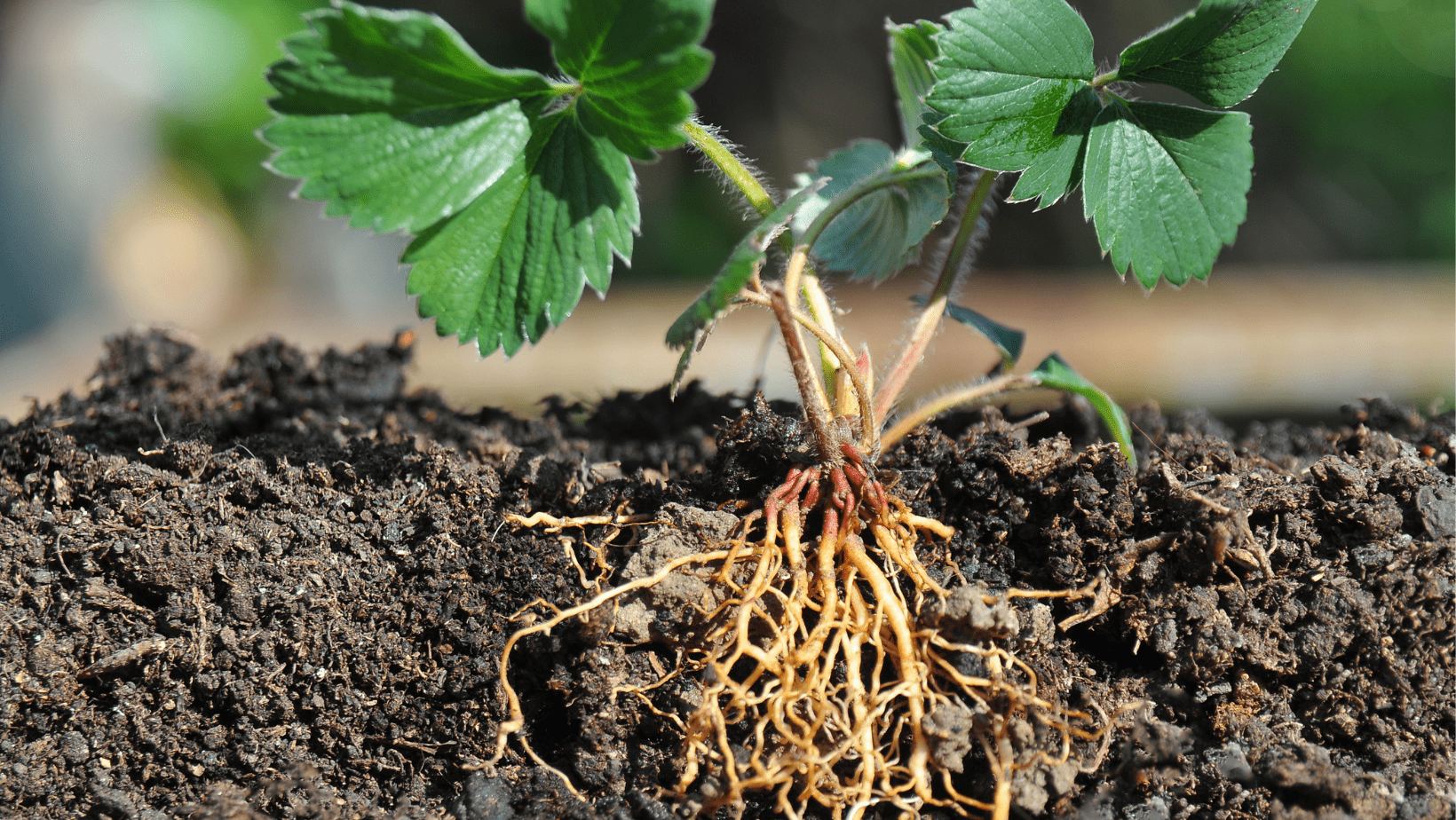
Roots need time to develop. Every tree and every vine that produces fruit, springs up quickly at first, only to slow down and develop roots. In fact, if the tree grows too quickly and outgrows its roots, the slightest wind can topple even the tallest tree.
If you have been a fan of Be Transfigured for a while, you know I like to garden. Nurturing seedlings is requires patience. Too much water, and it suffers from too shallow of roots. Not enough water, and even the strongest sapling withers away. Gardens are like souls.
It is no accident that Christ used seeds and roots to teach about spiritual development. The spiritual life is a combination of drought and refreshing nourishment. Dry seasons allow our spiritual roots to dig deep searching for God’s nourishment.
Now, back to convert preparation. If you are an inquirer, a catechumen, recent convert, or even a life-long member of the Church, allow your roots to dig deep before ‘reaching out’ beyond your limits. Theosis is a life-long journey, not a rapid growth experiment.
Allow the local parish life to help you develop your roots. Allow the local church, not just the ‘internet church’ to guide your development. Most importantly, allow a local spiritual father by your ‘gardener’ by accepting his wisdom, advice and experience.
In time, your roots will flourish and you will rise to grandeur. The trials of life won’t topple you but strengthen your roots. Rise too quickly, and you will wither away. Nobody, especially God, wants you to wither away.
